
On September 12, Wuhan University of Technology (WUT) warmly welcomed the Class of 2026 undergraduate freshmen. Carrying hopes and brimming with aspirations, students from all corners of the country entered the university, ready to write a new chapter of youth here.
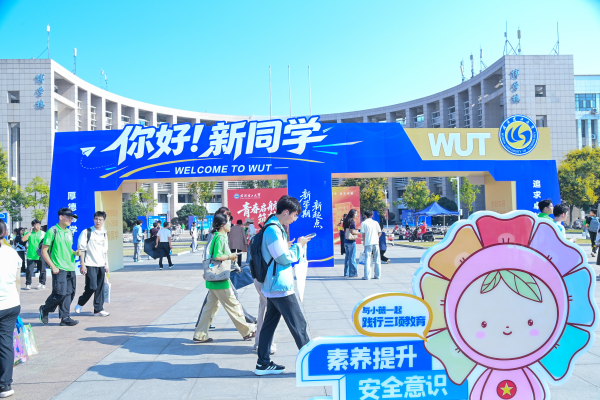
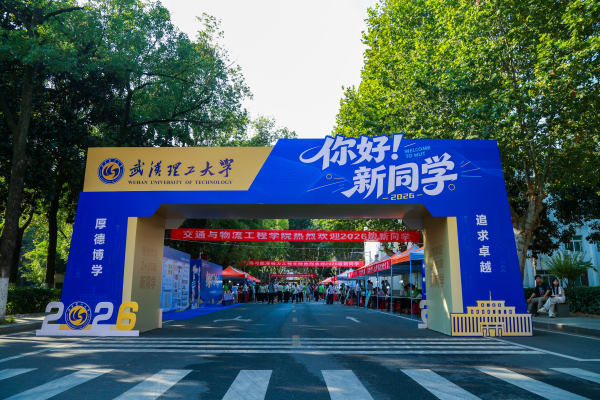
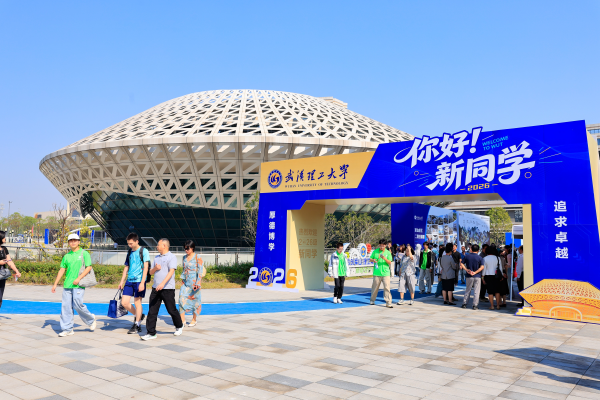
In the early morning, the welcome stations at each campus were meticulously arranged, with welcome tents neatly lined up. Staff and volunteers at the consulting service stations arrived early and performed their duties in an orderly manner. Relevant departments coordinated and advanced work in an integrated manner, setting up green channels for freshman enrollment, medical service stations, anti-fraud publicity booths, and community lecture halls for parents, providing considerate services to freshmen and their families in all respects and ensuring that the welcome work was conducted safely, efficiently, and orderly.
The large welcome dashboard screens at each campus updated real-time registration data. The online welcome system allowed freshmen to complete pre-procedures before arriving on campus. This cloud-based processing model greatly reduced on-site registration pressure, truly practicing the principle of “letting data run more and students run less,” and making freshman registration easier and more convenient.
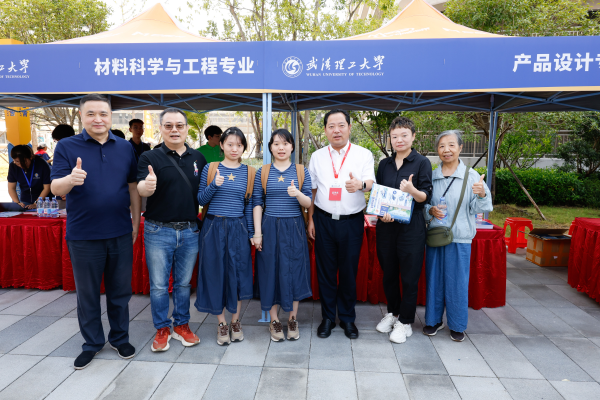
University leaders and heads of functional departments went deep into the front line of the welcome work. They visited registration sites, freshman dormitories, and the Intelligent Operation Center (IOC) to learn about the operation of welcome scheduling and to check the details. During the visits, university leaders had cordial interactions with freshmen, parents, and front-line volunteers, sincerely welcoming the new students and encouraging them to be self-reliant, diligent, and enterprising on their new journey.
“This year, the university has a total of more than 9,000 undergraduate freshmen. At present, 98.7% of students have completed online registration, and 7,818 have registered on campus. Junshan Campus is expected to have 380 students this year, and 268 have registered so far, with a registration rate of 70.5%. All freshmen have participated in the study of pre-registration courses,” said the relevant person in charge of the Department of Student Affairs at 10:31 a.m.
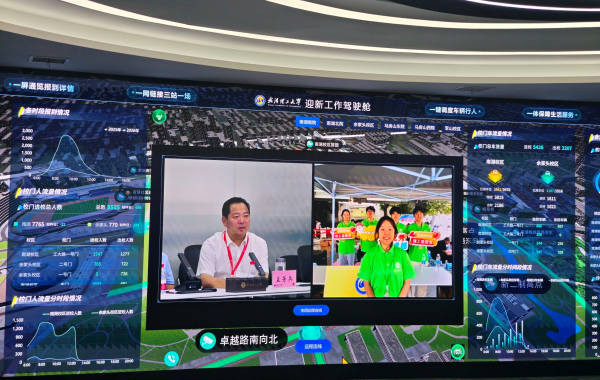
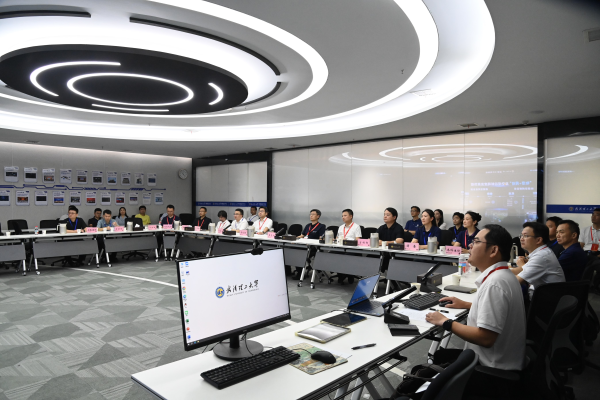
On the large screen, various types of data scrolled in real time, including freshman registration, pedestrian and vehicle traffic, the digital twin map, cafeteria foot traffic, pick-up services, and logistics repair requests. A newly added dynamic monitoring module for welcome pick-up services connected with Wuhan’s three major railway stations and the airport, and could precisely provide vehicle support based on the distribution of freshmen’s estimated arrival times. At the same time, it shared the locations of pick-up vehicles, avoiding congestion at school gates and long waits for freshmen. University leaders and on-duty personnel relied on real-time data to flexibly coordinate welcome resources and conduct precise and efficient on-site monitoring.
For four consecutive years, the university has adopted a dual-space operation system integrating physical and online spaces for orientation scheduling, building a new collaborative scheduling model of viewing scenarios in physical spaces and checking details in cyberspace. It achieves unified oversight on one screen, cross-network connectivity, one-click dispatching, and integrated support. The system supports intelligent data queries for registration status, building a data-driven orientation model with coordinated business workflows. This ensures smooth and orderly orientation arrangements.
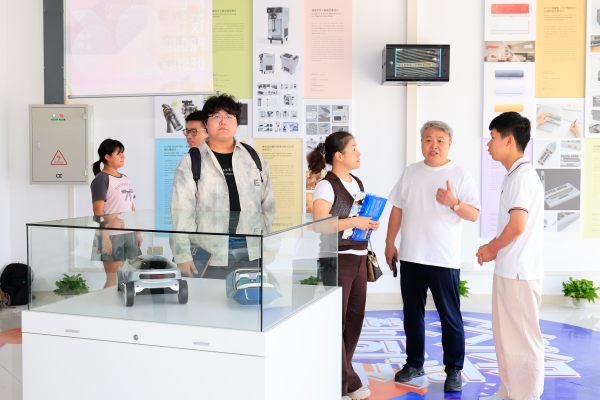
This year, the Junshan Campus welcomes its first cohort of undergraduate students. The Qihang Academy creates an immersive cultural atmosphere through Sino-foreign cooperative education cultural walls, English Corner, and international-themed cultural and creative products. Meanwhile, as a university-level hub for cultivating top innovative talents and a special zone for educational reform, the Houde Academy innovatively implements the π-shaped talent training model. The Boxue Class, newly established in 2026, carries out pilot programs together with the Everest Class and Yingcai Class. Breaking disciplinary barriers, it adopts integrated undergraduate-postgraduate-doctoral training. Through tutorial systems and project-based learning, the academy fosters top interdisciplinary innovative talents.
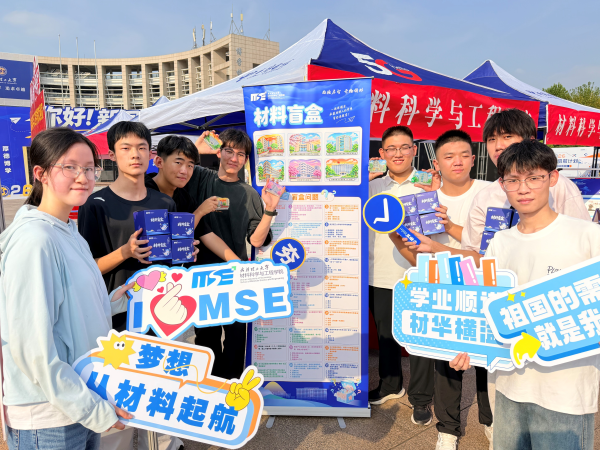
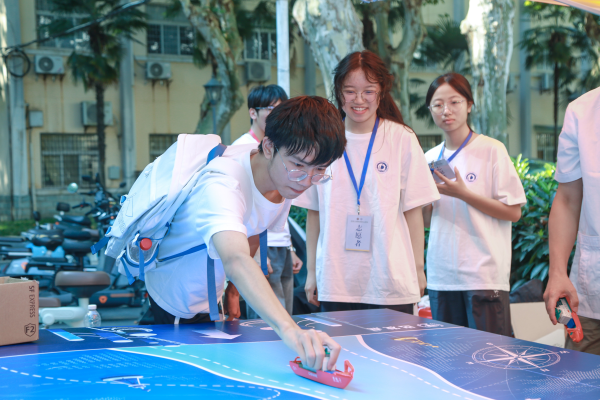
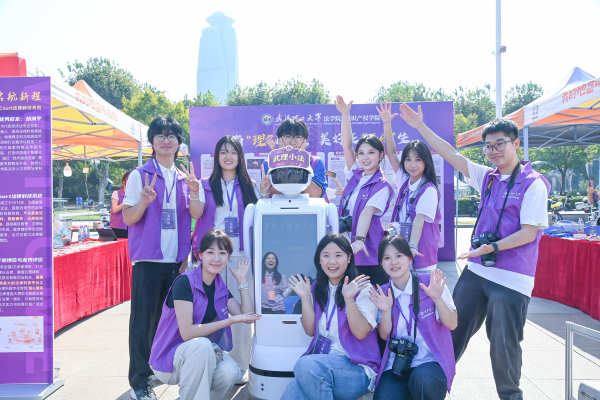
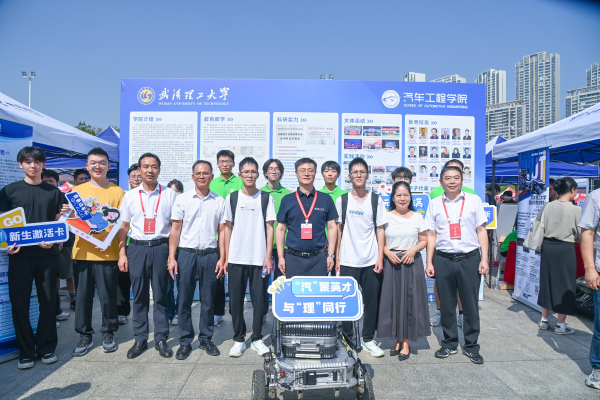
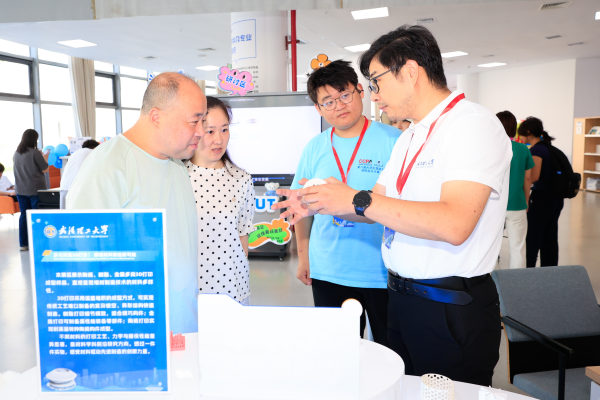
Drawing on their disciplinary strengths, all colleges skillfully incorporate professional characteristics into orientation venues. Cutting-edge research achievements are displayed outside laboratories, allowing freshmen to discover the charm of each discipline.
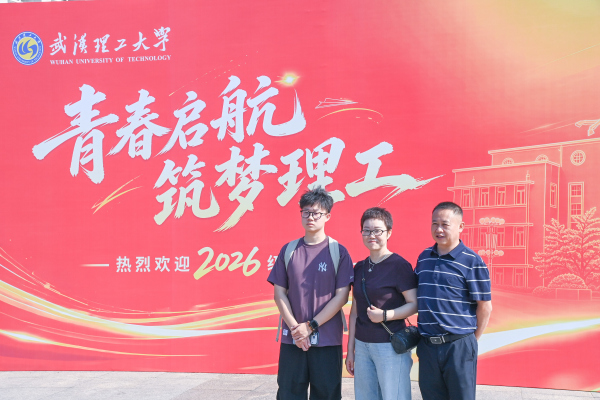
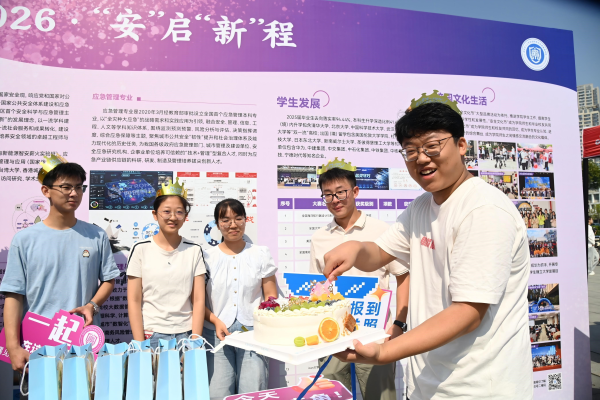
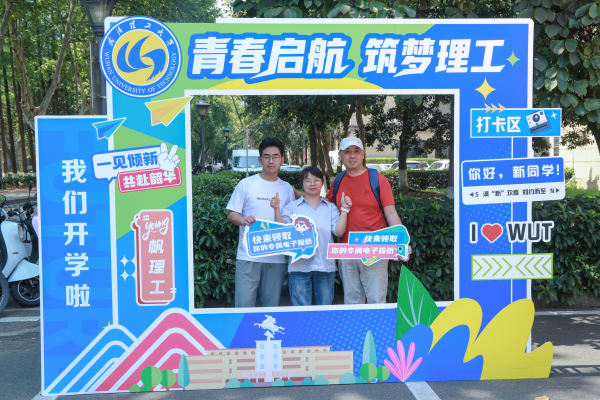
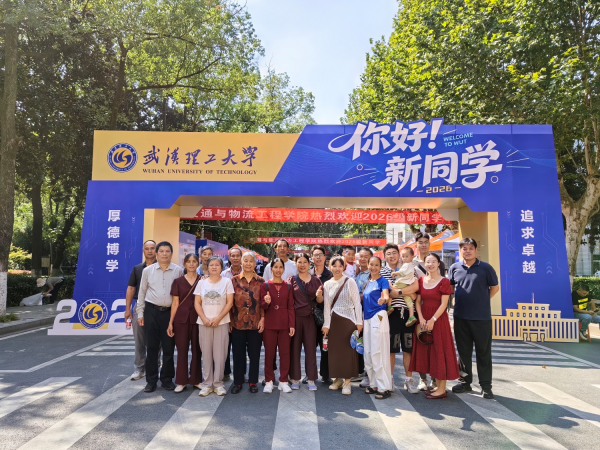
Beyond sci-tech exhibitions, themed events also dazzle participants. These thoughtfully designed activities build warm emotional bonds between freshmen and the campus.
The university mobilizes 4,633 orientation volunteers. Covering transport hubs, subway exits, and 19 on-campus service stations, the volunteers provide one-on-one support. The volunteers’ green uniforms create a vibrant sight across the orientation sites. Having received multiple rounds of special training beforehand, volunteers are fully prepared for station pick-up and shuttle services, route guidance, luggage assistance, and consultation.
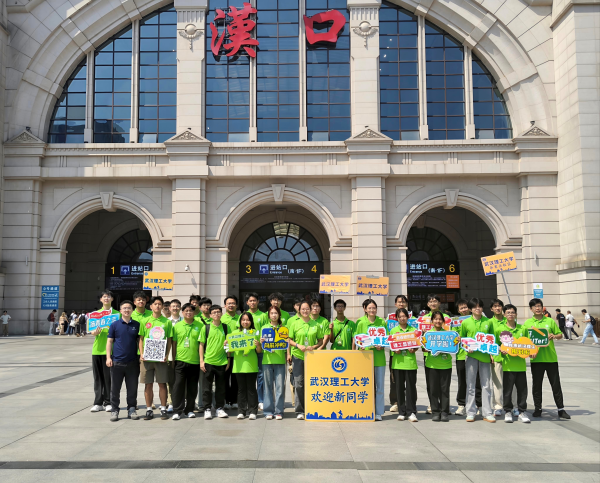
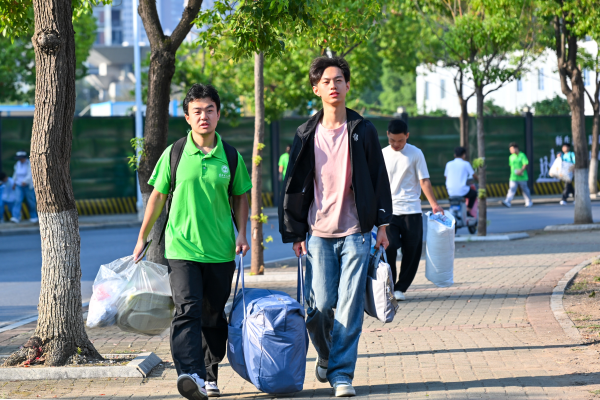
The Logistics Group prepares the “Maiden Voyage Meal” for the Class of 2026. Free meals are served at canteens during orientation, enabling freshmen to taste the WUT flavor and feel the warmth of the university. Bedding pre-ordered by freshmen has all been delivered to dorm rooms and laid on beds, saving them the trouble of carrying bulky luggage.
In addition, a photo booth for orientation with the theme of Wuhan University of Technology News, set up by the Publicity Department, draws attention from many freshmen and parents. They collect their first university newspaper and freeze this memorable moment. Today, Wuhan University of Technology officially launched its overseas social media accounts on Facebook and X (Twitter) to tell WUT’s stories to the world.
Written by: Xie Xiaoqin, Zhu Kexin, Hu Xinchang, Li Wanyu, Bu Lu’er
Rewritten by: Xu Hanyue, Lin Qiaochu
Edited by: Mei Mengqi, Yu Bingjie
Source: Publicity Department of the CPC WUT Committee
|
|